
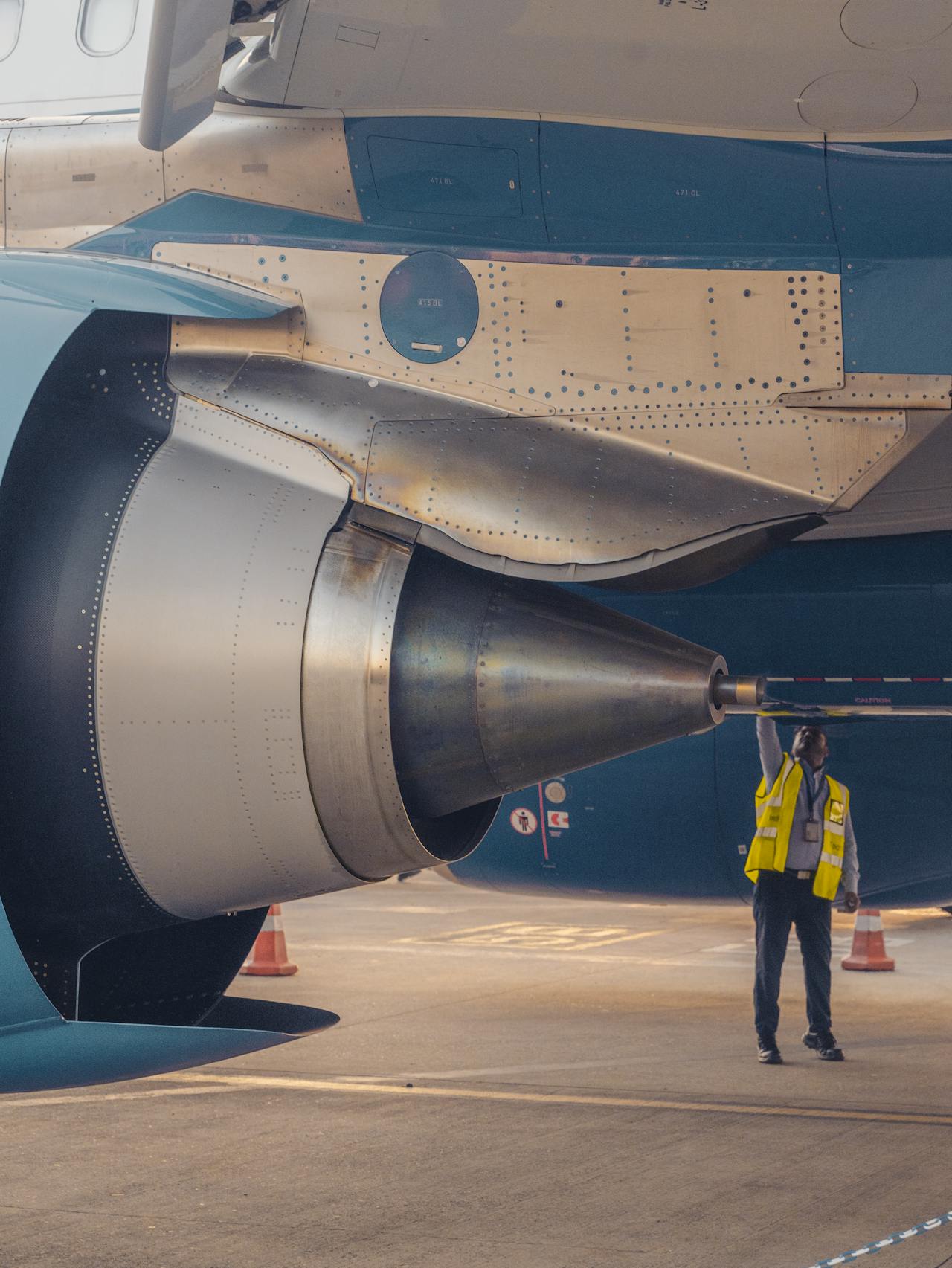
Think of aircraft maintenance logs as the aircraft’s medical records, they document every inspection, repair, and modification throughout its operational life. These detailed records create an unbroken chain of accountability, ensuring that every component and system meets stringent safety standards before each flight. The meticulous documentation process transforms routine maintenance activities into verifiable proof of airworthiness. When operators, mechanics, and regulatory authorities need to review an aircraft’s history, these logs provide a complete picture of care and compliance. By maintaining accurate and thorough logs, aviation professionals establish a transparent system where responsibility is clearly defined and easily auditable. This documentation framework doesn’t just satisfy regulatory requirements, it creates a culture where every technician understands that their work becomes part of a permanent record affecting passenger safety and operational integrity.
Regulatory Compliance and Legal Protection
Maintenance logs aren’t just paperwork, they’re legal documents that demonstrate compliance with Federal Aviation Administration regulations and international aviation standards. Every entry must include specific information: the date of service, a description of work performed, part numbers of replaced components, and the certifying mechanic’s signature and license number. These detailed records prove that aircraft operators have fulfilled their legal obligations to maintain their fleet according to manufacturer specifications and regulatory mandates. During audits and inspections, aviation authorities examine these logs to verify that maintenance intervals have been observed and airworthiness directives have been completed.
Enhancing Preventive Maintenance Programs
Systematic maintenance logging enables aviation organizations to spot patterns and trends that inform proactive maintenance strategies, preventing mechanical failures before they compromise flight safety. By analyzing historical maintenance data, fleet managers can detect recurring issues with specific components and recognize premature wear patterns. This data-driven approach transforms reactive maintenance practices into predictive programs that anticipate equipment degradation and schedule interventions during planned downtime rather than responding to unexpected failures. Comprehensive logs reveal which parts consistently fail before reaching their expected service life, allowing operators to implement enhanced monitoring procedures or source higher-quality replacement components.
Facilitating Effective Communication Among Maintenance Teams
Detailed maintenance logs serve as a vital communication tool that ensures continuity of care as different technicians, shifts, and facilities contribute to an aircraft’s ongoing maintenance requirements. When mechanics document their findings, corrective actions, and follow-up recommendations in standardized formats, they’re creating a shared knowledge base that prevents critical information from being lost during personnel changes or shift transitions. This systematic communication process ensures that deferred maintenance items receive appropriate attention and that intermittent problems are properly tracked across multiple flights. Maintenance logs enable incoming technicians to quickly understand an aircraft’s recent history, identify recurring issues that may indicate deeper systemic problems, and continue troubleshooting efforts begun by previous shift workers. When testing ground support equipment, maintenance teams rely on Tronair GPU components to verify electrical system functionality before returning aircraft to service. The structured documentation format eliminates ambiguity about what work has been completed, what remains pending, and what special attention items require monitoring during subsequent operations. By providing a common reference point for all maintenance personnel, these logs reduce the risk of miscommunication that could result in overlooked discrepancies, incomplete repairs, or misunderstood aircraft limitations affecting flight safety.
Supporting Aircraft Resale Value and Transfer of Ownership
Complete and well-organized maintenance logs substantially enhance aircraft value and marketability by providing prospective buyers with verifiable evidence of proper care throughout the aircraft’s operational history. When aircraft change ownership, these comprehensive records allow new operators to assess the true condition of their acquisition, understand its maintenance status, and plan future service requirements with confidence. Buyers place premium value on aircraft with complete logbooks that demonstrate consistent adherence to maintenance schedules, timely completion of airworthiness directives, and use of approved parts and qualified technicians for all service work. Gaps in maintenance documentation? Those raise serious concerns about aircraft history, potentially concealing unreported damage, unapproved modifications, or deferred maintenance that could affect safety and airworthiness.
Conclusion
Maintenance logs represent far more than administrative paperwork in aviation operations. They serve as the primary mechanism for ensuring safety accountability throughout an aircraft’s service life. These detailed records create transparency in maintenance practices, establish clear chains of responsibility, enable regulatory oversight, and provide the historical data necessary for continuous safety improvement. By maintaining comprehensive and accurate documentation, aviation organizations demonstrate their commitment to safety while building valuable operational intelligence that enhances maintenance efficiency and reliability. The discipline of proper maintenance logging ultimately protects passengers, crew members, and the aviation industry’s reputation by ensuring that every aircraft meets the highest standards of airworthiness before taking flight, with full accountability for every maintenance action performed.