
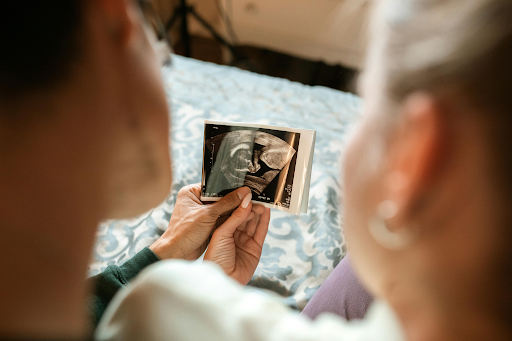
Recurrent miscarriage can be a deeply distressing experience, affecting both physical health and emotional well being. While medical evaluation is essential for identifying underlying causes, daily lifestyle choices can also influence reproductive health and pregnancy outcomes. Small, consistent changes often help create a more supportive environment for conception and early pregnancy. Focusing on overall health, balance, and sustainability is an important part of moving forward with hope and confidence.
Nourishing the Body with Balanced Nutrition
Nutrition plays a meaningful role in supporting hormonal balance, immune function, and overall reproductive health. A well rounded diet that includes vegetables, fruits, whole grains, lean proteins, and healthy fats helps provide essential nutrients needed for healthy pregnancy development.
Folate, iron, and omega 3 fatty acids are particularly important nutrients to include through food sources when possible. Leafy greens, legumes, eggs, fish, nuts, and seeds support these nutritional needs. Maintaining stable blood sugar through balanced meals may also help regulate hormones, which is especially relevant for individuals with insulin resistance or thyroid concerns.
Those focused on preventing recurrent miscarriage often benefit from reducing highly processed foods, excess added sugars, and trans fats. These dietary habits support overall metabolic health and may contribute to a more stable internal environment for pregnancy.
Reaching and Maintaining a Healthy Weight
Body weight can influence hormone regulation, ovulation, and inflammation levels. Both underweight and overweight individuals may experience hormonal disruptions that affect pregnancy outcomes. The goal is not perfection but gradual movement toward a weight range that supports overall health.
Rather than extreme dieting, sustainable lifestyle changes tend to be more beneficial. Regular meals, mindful eating habits, and consistent activity can help the body move toward balance over time. Weight management should be approached gently, especially during emotional recovery, and ideally with guidance from a healthcare provider.
Importantly, self-compassion plays a role in this process. Stress and self-criticism can interfere with hormonal regulation, making emotional support part of physical health improvement.
Managing Stress and Emotional Well Being
Chronic stress affects the body in complex ways, influencing cortisol levels, immune response, and hormonal balance. After recurrent pregnancy loss, stress and anxiety are common and understandable responses. Addressing emotional health is just as important as focusing on physical factors.
Daily stress management practices such as gentle breathing exercises, mindfulness, journaling, or counseling can help regulate the nervous system. Many individuals find emotional healing through support groups or therapy, where shared experiences reduce feelings of isolation.
Reducing constant pressure and allowing space for rest supports the body’s natural rhythms. Emotional care is not a secondary concern but an essential part of preparing for future pregnancy attempts.
Supporting the Body Through Thoughtful Movement
Physical activity supports circulation, metabolic health, and emotional well being, but the type and intensity of movement matter. Moderate and consistent exercise is often more supportive than intense or highly strenuous routines.
Activities such as walking, swimming, yoga, or light strength training can enhance physical health without over stressing the body. Movement also supports stress reduction and improved sleep, both of which play roles in reproductive health.
Listening to physical signals is important. If exercise consistently leads to exhaustion, disrupted sleep, or increased anxiety, adjusting intensity or frequency may be helpful. The goal is to support the body, not push it beyond its limits.
Reducing Exposure to Harmful Substances
Environmental and lifestyle exposures can affect reproductive health. Smoking, excessive alcohol intake, and recreational drug use are associated with higher risk of pregnancy complications. Reducing or eliminating these substances supports overall health and fertility.
Limiting caffeine intake may also be beneficial, as high levels of caffeine have been linked in some studies to pregnancy loss. Choosing moderation rather than restriction often makes changes easier to sustain long term.
In daily life, reducing exposure to harsh chemicals, pesticides, and endocrine disrupting substances can also be helpful. Simple steps such as using gentle household products and being mindful of food storage materials may reduce unnecessary chemical exposure.
Improving Sleep and Daily Rhythms
Sleep is a foundational pillar of health, influencing hormones, immune regulation, and emotional resilience. Inconsistent or inadequate sleep can disrupt the body’s natural processes, including those involved in reproductive function.
Creating a consistent sleep schedule supports circadian rhythms and overall hormonal balance. Reducing screen exposure in the evening, maintaining a calm bedtime routine, and ensuring a comfortable sleep environment can promote better rest.
Quality sleep supports emotional stability as well. Improved rest often leads to better stress management, clearer thinking, and healthier lifestyle choices during the day.
Conclusion
Lifestyle changes cannot guarantee pregnancy outcomes, but they can support the body in meaningful ways after recurrent miscarriage. By focusing on nutrition, emotional well being, gentle movement, stress management, and healthier daily habits, individuals can create a more supportive foundation for future health. Each step forward, no matter how small, contributes to greater resilience and well being as the journey continues.


