
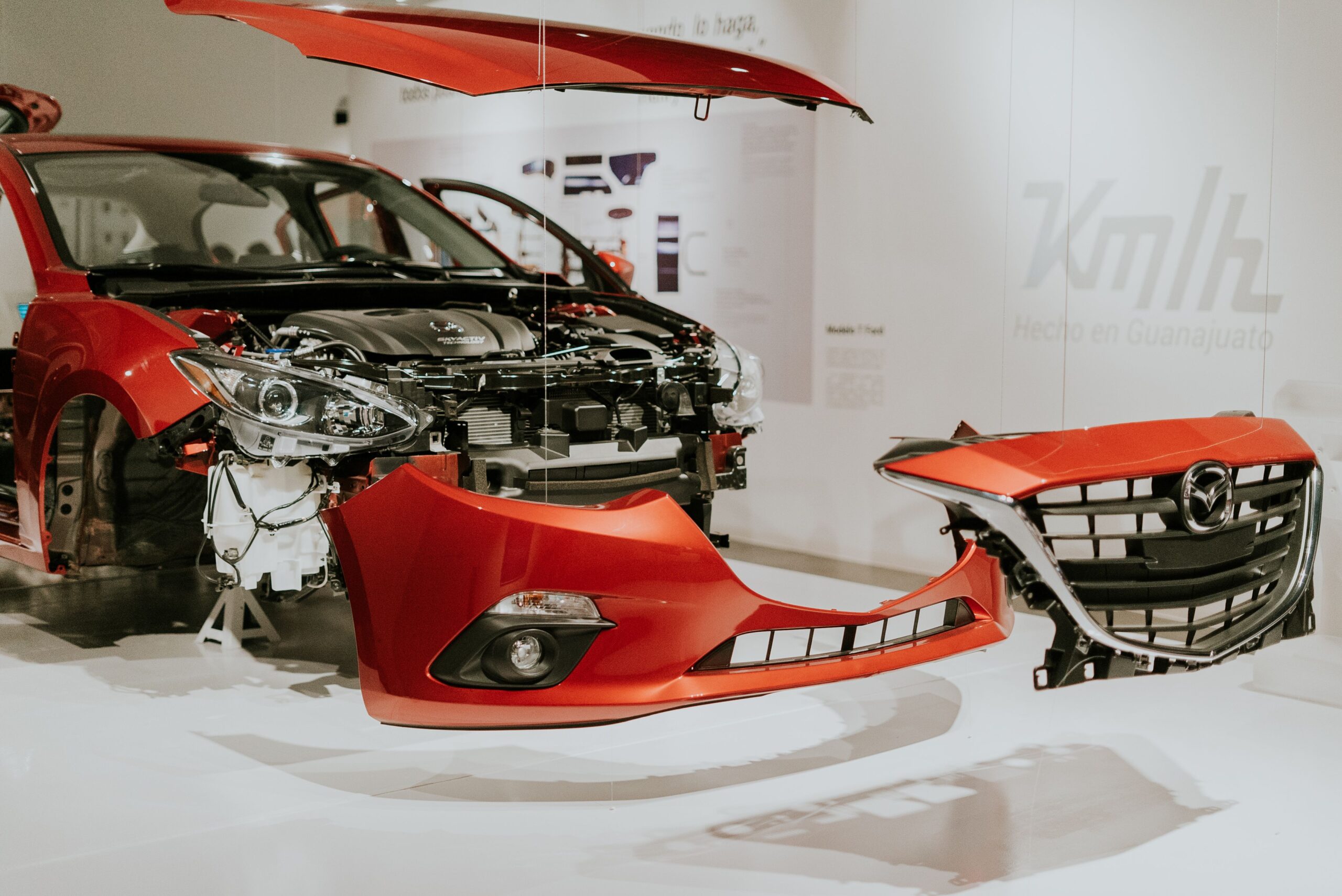
Modern car manufacturing facilities are highly advanced environments where precision engineering meets large scale production. Automated machinery, skilled labor, and complex processes work together to produce vehicles that meet strict safety and performance standards. However, despite these advancements, manufacturing facilities themselves can introduce safety hazards that affect the quality of the final product.
These risks are not always obvious. They often emerge from small inconsistencies, overlooked maintenance issues, or breakdowns in communication between teams. When not properly managed, such factors can compromise the integrity of vehicle components and ultimately impact driver safety. Understanding where these hazards originate is a crucial step toward improving manufacturing practices and ensuring higher quality builds.
Inconsistent Quality Control Measures
One of the most common sources of safety hazards in car manufacturing is inconsistent quality control. Production lines operate quickly to meet global demand, but speed can sometimes lead to oversight. If inspection processes are rushed or improperly standardized, defects can pass undetected through multiple stages of assembly.
Quality control should involve multiple checkpoints, including both automated and manual inspections. However, if equipment is not calibrated correctly or if employees are not adequately trained, these checks can become unreliable. Small issues such as microscopic cracks in materials or slight misalignments in parts may not be caught until much later, or even after vehicles are already on the road.
When quality control varies between shifts or facilities, the risk increases further. Consistency is essential in producing safe and reliable vehicles, and any deviation can introduce long term safety concerns.
Equipment Malfunction and Poor Maintenance
Manufacturing equipment plays a central role in producing car components. From robotic arms to stamping machines, these systems must operate with precision at all times. When equipment is not properly maintained, it can lead to inconsistencies in production that directly affect safety.
Worn out tools, malfunctioning sensors, or outdated machinery can create defects in parts without immediately obvious signs. For example, a stamping press that applies uneven pressure may produce metal components with hidden structural weaknesses. These flaws can compromise the durability of critical vehicle systems, including frames and safety reinforcements.
Regular maintenance schedules and equipment upgrades are essential to minimize these risks. Facilities that cut corners in this area may save short term costs but increase the likelihood of long term issues, including recalls and reputational damage.
Human Error and Training Gaps
While automation has reduced many manual errors, human involvement is still a vital component of car manufacturing. Workers are responsible for monitoring systems, assembling parts, and responding to unexpected challenges on the production line. As a result, human error remains a significant factor in manufacturing related hazards.
Training gaps can lead to improper handling of materials or incorrect assembly techniques. Even minor mistakes, such as improperly tightened bolts or misrouted wiring, can have serious consequences for vehicle safety. Fatigue, miscommunication, and high production pressure can further increase the likelihood of these errors.
Facilities that invest in ongoing training and employee development tend to experience fewer issues. Clear communication, standardized procedures, and a focus on accountability all contribute to safer production outcomes.
Material Handling and Processing Risks
The way materials are handled and processed within a facility can also introduce safety hazards. Automotive manufacturing involves a wide range of materials, including metals, plastics, and composites. Each material requires specific handling techniques to maintain its integrity.
Improper storage conditions, contamination, or exposure to extreme temperatures can weaken materials before they are even used in production. Additionally, processes such as molding and shaping must be carefully controlled to ensure consistency. For instance, plastic components must be formed under precise conditions to avoid defects like warping or internal stress fractures.
In this context, techniques like injection molding purging methods are used to clean out residual materials from machines between production runs. If these processes are not performed correctly, leftover material can contaminate new batches, leading to compromised parts that may fail under stress. Maintaining strict control over material handling procedures is critical for preventing such issues.
Supply Chain and Component Variability
Car manufacturing does not happen in isolation. It relies on a vast network of suppliers that provide parts and materials. Variability in these components can introduce safety risks if not carefully managed.
Suppliers may have different standards, processes, or quality levels. If incoming parts are not thoroughly inspected, defective components can be integrated into the final build. This is particularly concerning for critical systems such as brakes, steering, and airbags, where reliability is essential.
Strong supplier relationships, clear specifications, and rigorous testing protocols help mitigate these risks. However, disruptions in the supply chain or cost cutting measures can lead to compromises that affect overall safety.
Conclusion
Car manufacturing facilities are designed to produce safe and reliable vehicles, yet they can also be a source of potential hazards when processes are not carefully managed. Factors such as inconsistent quality control, equipment issues, human error, material handling challenges, and supply chain variability all play a role in shaping the final product.
Addressing these risks requires a proactive approach that emphasizes consistency, maintenance, training, and accountability. By identifying and correcting weaknesses within the manufacturing process, companies can reduce the likelihood of defects and improve the safety of the vehicles they produce. In an industry where reliability is critical, maintaining high standards at every stage of production is essential for long term success.