
Introduction
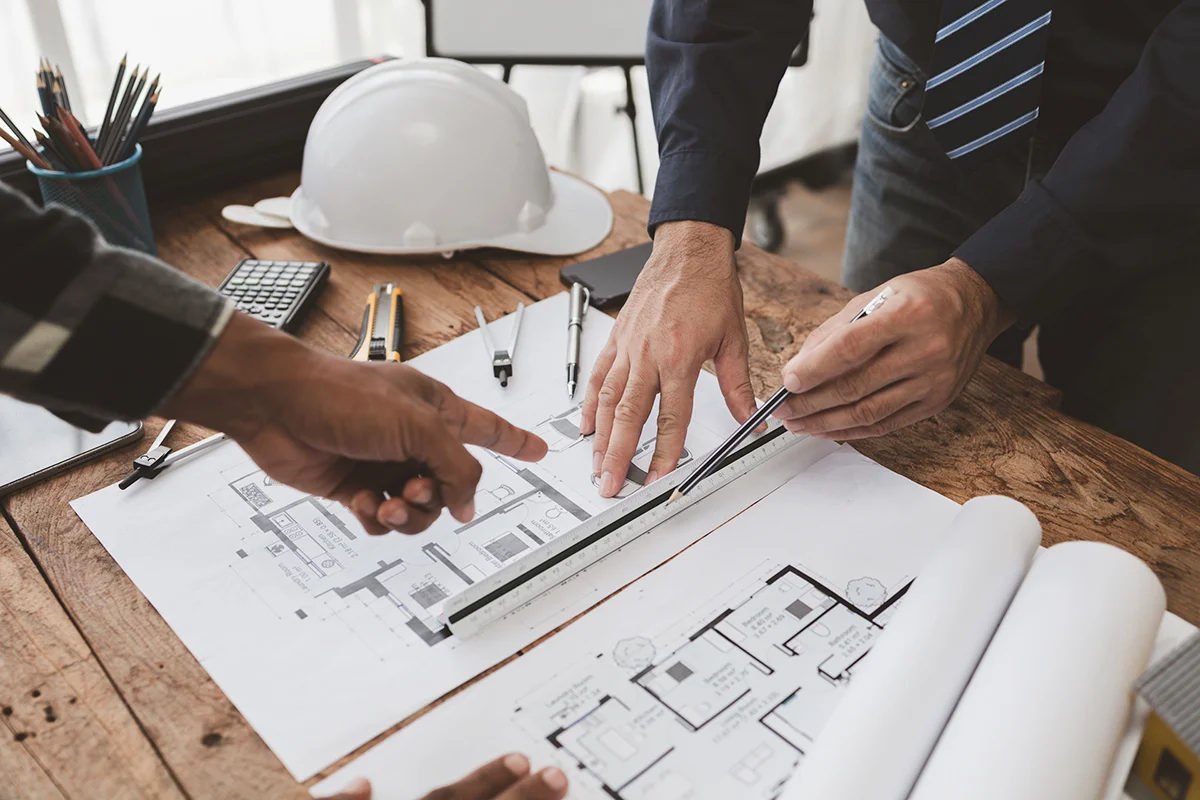
Home remodeling projects can be exciting opportunities to transform a living space, improve functionality, and increase property value. Whether you’re updating a kitchen, renovating a bathroom, finishing a basement, or making structural improvements, the possibilities can feel endless. However, while many homeowners focus on the finished result, the true foundation of a successful remodeling project is the planning process that takes place before any construction begins.
Proper planning helps establish clear goals, realistic budgets, practical timelines, and effective communication among everyone involved. Without a solid plan, even relatively simple renovation projects can encounter unexpected delays, unnecessary expenses, and disappointing outcomes. Taking the time to prepare thoroughly can make the difference between a smooth remodeling experience and a stressful one.
Establishing Clear Goals and Expectations
One of the primary benefits of planning is that it helps homeowners define exactly what they want to achieve. Many remodeling projects start with a general idea, but vague objectives can create confusion once work begins.
During the planning stage, homeowners can identify priorities, determine must-have features, and distinguish between necessities and optional upgrades. This process helps ensure that everyone involved understands the project’s purpose and desired outcome.
Clear expectations also make decision-making easier throughout the renovation. Rather than making rushed choices in the middle of construction, homeowners can rely on established goals to guide material selections, design decisions, and budget allocations. This level of preparation reduces uncertainty and helps keep the project moving in the right direction.
When goals are clearly defined from the beginning, the final result is far more likely to align with the homeowner’s vision.
Creating a Realistic Budget
Budget overruns are among the most common challenges in remodeling projects. Many unexpected expenses arise not because renovations are inherently unpredictable, but because costs were not thoroughly evaluated before work started.
A comprehensive plan should include estimates for labor, materials, permits, inspections, and potential contingencies. Setting aside extra funds for unforeseen issues is especially important when working on older homes, where hidden problems such as outdated wiring, plumbing concerns, or structural damage may be uncovered.
Proper planning also allows homeowners to compare options and make strategic decisions about where to invest their money. For example, spending more on high-quality materials in heavily used areas may provide greater long-term value than focusing solely on cosmetic upgrades.
A well-planned budget helps prevent financial surprises and allows homeowners to complete projects with greater confidence and peace of mind.
Coordinating Contractors and Schedules
Successful remodeling projects often involve multiple professionals working together. Depending on the scope of the renovation, contractors, electricians, plumbers, painters, roofers, and other specialists may all play important roles.
Planning helps coordinate these various moving parts and prevents scheduling conflicts that could delay progress. Establishing timelines in advance ensures that work is completed in the proper sequence and that materials are available when needed.
For example, a homeowner completing exterior upgrades may need to coordinate siding work, window replacement, and consultations with an Austin roofing company to ensure all improvements are completed efficiently. Without proper scheduling, one contractor’s delay could impact several other areas of the project.
Effective planning encourages better communication among all parties and reduces the likelihood of costly interruptions. This organized approach often results in smoother workflows and more predictable project timelines.
Avoiding Costly Mistakes and Delays
Many remodeling mistakes can be traced back to rushed preparation or incomplete planning. Homeowners who begin construction without finalizing designs, securing permits, or understanding building requirements may encounter significant setbacks later.
Planning provides an opportunity to identify potential obstacles before they become expensive problems. Reviewing local regulations, obtaining necessary approvals, and confirming material availability can help avoid unnecessary delays.
It is also beneficial to think through practical details that may otherwise be overlooked. Questions regarding storage, temporary living arrangements, access to work areas, and project logistics are much easier to address before construction begins than after it is already underway.
By anticipating challenges and preparing solutions in advance, homeowners can reduce stress and minimize disruptions throughout the remodeling process.
Maximizing Long-Term Value
Careful planning not only helps during construction but also contributes to the long-term success of the renovation. Thoughtful decisions made at the beginning often have lasting effects on durability, maintenance requirements, functionality, and resale value.
When projects are properly planned, homeowners can focus on improvements that provide meaningful benefits over time. Energy-efficient upgrades, durable materials, flexible layouts, and quality craftsmanship typically offer stronger returns than impulsive design choices driven by short-term trends.
Planning also allows homeowners to consider future needs. A growing family, aging-in-place considerations, or potential resale goals may influence decisions regarding room layouts, storage solutions, and accessibility features.
By thinking beyond immediate wants and considering long-term objectives, homeowners can ensure that their remodeling investment remains valuable and practical for years to come.
Conclusion
While the construction phase often receives most of the attention, planning is truly the most important part of any remodeling project. Clear goals, realistic budgets, organized schedules, proactive problem-solving, and long-term thinking all begin during the planning stage.
Taking the time to prepare thoroughly can help homeowners avoid common renovation pitfalls while improving the overall outcome of the project. Whether the renovation is large or small, careful planning creates a strong foundation for success. In the end, the effort invested before construction begins often has the greatest impact on achieving a smooth process, a manageable budget, and a finished space that meets or exceeds expectations.